
Xiaomi Pad 9, Pad 9 Pro Launch Report: 144Hz Displays
The new Xiaomi tablets are reported with 144Hz displays and Snapdragon chipsets, but India pricing, storage variants and sale timing are still not confirmed in the supplied evidence.
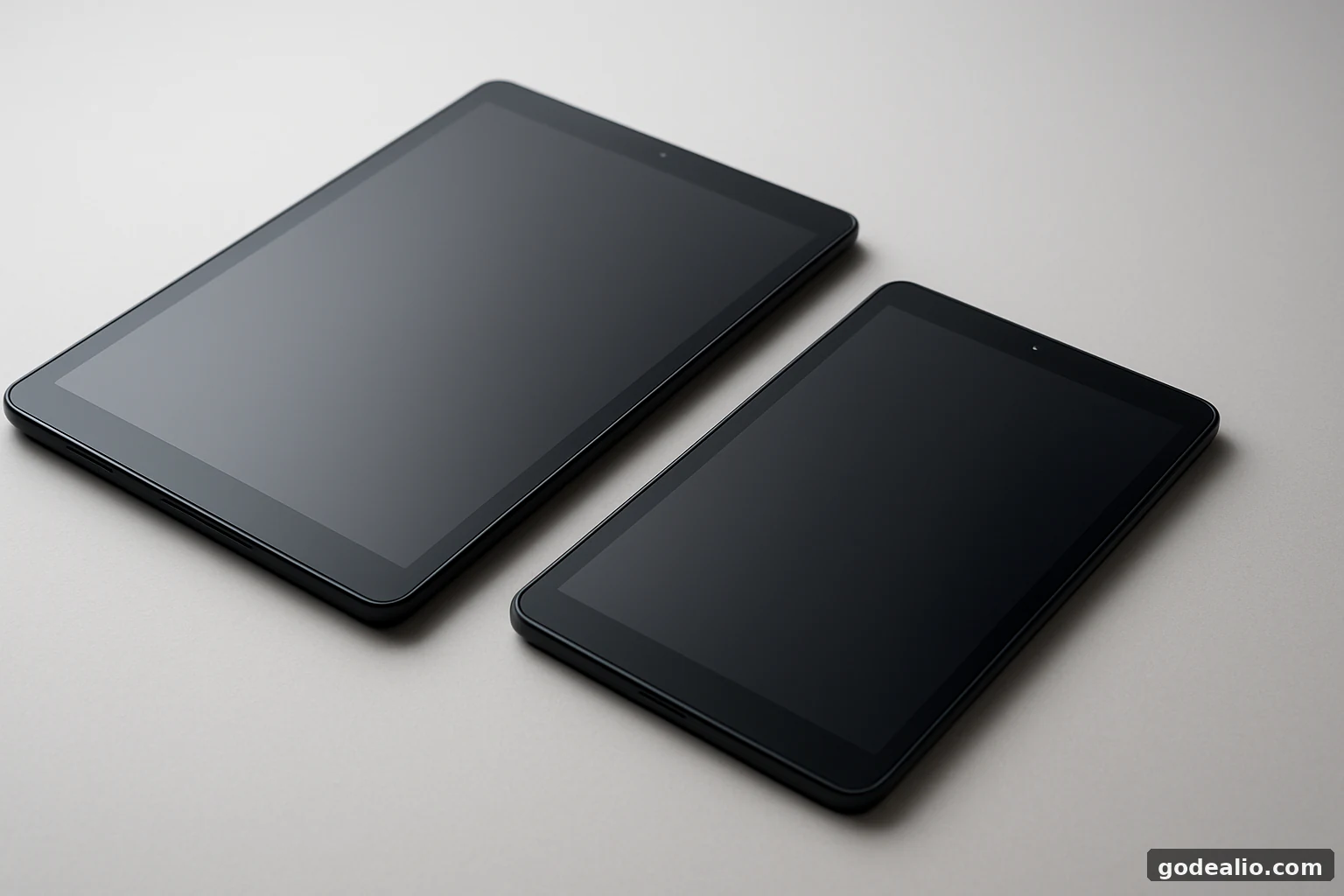
Xiaomi Pad 9 and Xiaomi Pad 9 Pro have surfaced in launch coverage with 144Hz displays and Snapdragon chipsets. For Indian buyers, the most important unknowns are the exact price, India-specific configuration and sale timing, none of which are confirmed in the supplied evidence.
Brand
Xiaomi
Model
Pad 9 and Pad 9 Pro
Content Type
news
Launch Status
unknown
Availability
Reported launch; India availability not confirmed in the supplied evidence
Key News
Label
Launch update
Value
Xiaomi Pad 9 and Xiaomi Pad 9 Pro are reported as launched
Verification Status
reported
Label
Display
Value
Both tablets are reported with 144Hz displays
Verification Status
reported
Label
Platform
Value
Snapdragon chipsets are linked to the lineup
Verification Status
reported
Specification Highlights
Label
Display refresh rate
Value
144Hz
Verification Status
reported
Label
Chipset family
Value
Snapdragon
Verification Status
reported
Label
Model line-up
Value
Xiaomi Pad 9 and Xiaomi Pad 9 Pro
Verification Status
reported
Confirmed Details
- The lineup includes two models: Xiaomi Pad 9 and Xiaomi Pad 9 Pro.
- Both models are tied to 144Hz displays in the available launch coverage.
- Snapdragon chipsets are named as part of the tablet series positioning.
Unconfirmed Details
- Exact India pricing is not confirmed in the supplied evidence.
- The specific Snapdragon chipset model number is not available in the supplied evidence.
- RAM, storage, battery, charging, camera and software details are not confirmed here.
- India sale timing and region-specific variants remain unverified.
What happened with the Xiaomi Pad 9 series
Xiaomi Pad 9 and Xiaomi Pad 9 Pro have surfaced in launch coverage as the company’s latest tablet pair, with 144Hz displays and Snapdragon chipsets at the centre of the story. For Indian buyers, that immediately makes the lineup worth watching because both features matter in day-to-day use: the display affects how smooth the tablet feels, while the chipset shapes performance, app loading and multitasking behaviour.
Even so, the current evidence is not a full product sheet. The launch story is clear on the broad positioning, but not on the details that usually decide a purchase in India. Exact pricing, the precise chip model, storage options, battery sizes and local sale plans are still not confirmed in the supplied material, so it is better to treat the update as a reported launch rather than a complete buying guide.
What is actually confirmed so far
The safest facts to keep are limited but useful. First, there are two models in the family: Xiaomi Pad 9 and Xiaomi Pad 9 Pro. Second, both are associated with 144Hz displays in the launch coverage. Third, the series is tied to Snapdragon chipsets, which suggests Xiaomi is aiming the tablets at buyers who care about fluid display performance and Android-side efficiency.
That is enough to establish the basic direction of the product line, but not enough to compare it directly with every rival tablet in the market. Without the exact display size, chip name, RAM, storage, battery or pricing structure, any stronger claim would be premature. Indian readers should therefore look at this as the first layer of information, not the final specification sheet.
What remains unconfirmed and should be treated carefully
A lot of the details that usually matter most to Indian buyers are still missing from the supplied evidence. The exact Snapdragon processor is not named, so it is not possible to judge whether the tablet is aimed at casual use, upper-midrange multitasking or a more performance-focused segment. RAM and storage variants are also unknown, which means the real usable value cannot yet be assessed.
The same caution applies to battery capacity, charging speed, rear and front camera hardware, software version, stylus support and keyboard or cover compatibility. For a tablet launch, those details can be just as important as the display refresh rate. Buyers should also avoid assuming that India units, if and when they arrive, will mirror the configuration shown in the original launch coverage.
India price and availability: what buyers should expect next
There is no confirmed INR pricing in the supplied evidence, so Indian buyers should not treat any current number elsewhere as final for this market. Tablet pricing can shift because of taxes, distribution, bundled accessories and launch-time offers, and those factors often change the value equation more than the headline spec alone. If Xiaomi brings the series to India, the local MRP, storage trims and warranty terms will matter a great deal.
This is especially important in the tablet segment, where a device can look attractive on paper but still end up priced close to stronger alternatives. Before deciding, buyers should check whether the tablet arrives through official Indian channels, whether accessories are sold separately, and whether the local package includes the RAM and storage combination that best matches the intended use case.
Why 144Hz and Snapdragon matter in a tablet
A 144Hz display is a headline feature because it can make scrolling, animations and UI interactions feel smoother when the software is tuned properly. That matters on a tablet, where browsing, reading, switching between apps and annotating documents can make up most of the daily experience. The higher refresh rate does not automatically guarantee a better display, but it does suggest that Xiaomi wants the Pad 9 series to feel more fluid than a basic 60Hz or 90Hz model.
The Snapdragon label is equally important, but only up to a point. Snapdragon chipsets are common across Android tablets and can deliver a good mix of performance and power efficiency, yet the exact chip number is what decides the real story. A mid-tier chip and a flagship-class chip can behave very differently in gaming, export times, sustained multitasking and thermals. Until Xiaomi’s exact configuration is confirmed, it is best to treat the chipset mention as a signal, not a complete performance promise.
What this launch means for Indian buyers
For Indian readers, the Xiaomi Pad 9 series is interesting because it appears to target a familiar tablet sweet spot: a premium-feeling display, a mainstream Android performance platform and a product family with a standard model and a higher-end Pro variant. That combination usually appeals to students, OTT viewers, office users, note-takers and buyers who want a larger screen than a phone without jumping to a laptop-class device.
But the value test will only begin once the complete details are available. A 144Hz display is attractive, but it will not by itself decide whether the tablet is the right buy. Indian buyers should compare the likely use case, accessory needs, expected software support and the final price bracket. If the Pad 9 line lands in a crowded mid-premium segment, the strength of the display and the exact Snapdragon tier will matter more than the launch headline.
Final take: solid headline features, incomplete buyer data
The headline update is straightforward: Xiaomi Pad 9 and Xiaomi Pad 9 Pro are being reported with 144Hz displays and Snapdragon chipsets, which is enough to make the series relevant for tablet shoppers tracking newer Android options. Those two features alone suggest a focus on smooth interaction and balanced performance.
However, the launch story is still incomplete for anyone ready to spend money in India. Until Xiaomi’s India pricing, exact chipset model and full local specification details are confirmed, the safest approach is to wait, compare and verify. If the tablets arrive here with a competitive MRP and the right memory configuration, they could become interesting options. If not, the headline specs will not be enough on their own.
FAQs
What is confirmed about Xiaomi Pad 9 and Xiaomi Pad 9 Pro right now?
The available evidence supports the existence of two models in the series, Xiaomi Pad 9 and Xiaomi Pad 9 Pro, along with 144Hz displays and Snapdragon chipsets as the main launch talking points. The exact processor model, memory options and India-specific pricing are not confirmed in the supplied evidence, so those parts should still be treated as unverified.
Has India pricing been confirmed for the Xiaomi Pad 9 series?
No. There is no confirmed INR pricing in the supplied evidence. Indian buyers should wait for an India listing or an official local communication before assuming any price, offer or variant structure. Tablet launches often differ by market, and accessories or memory tiers can change the effective cost quite a bit.
Should Indian buyers wait before deciding on the Xiaomi Pad 9 or Pad 9 Pro?
Yes, especially if you are price-sensitive or comparing several tablets at once. A 144Hz display and Snapdragon branding are promising, but they do not tell the full story. Wait for the exact chipset, RAM, storage, battery and India price so you can compare the tablet on total value rather than on headline features alone.
Why does the 144Hz display matter on a tablet?
A 144Hz panel can make the interface feel smoother during scrolling, app switching and general navigation, provided the software is tuned to use it well. It is a useful feature for a tablet, but it should still be weighed against display quality, brightness, software support and battery impact. Refresh rate is one part of the experience, not the whole product.