
Garmin Fenix 9 Pro review points to key upgrades
A new assessment suggests Garmin’s flagship is slimmer, brighter and faster, but it is still firmly a premium buy for outdoor-focused users.
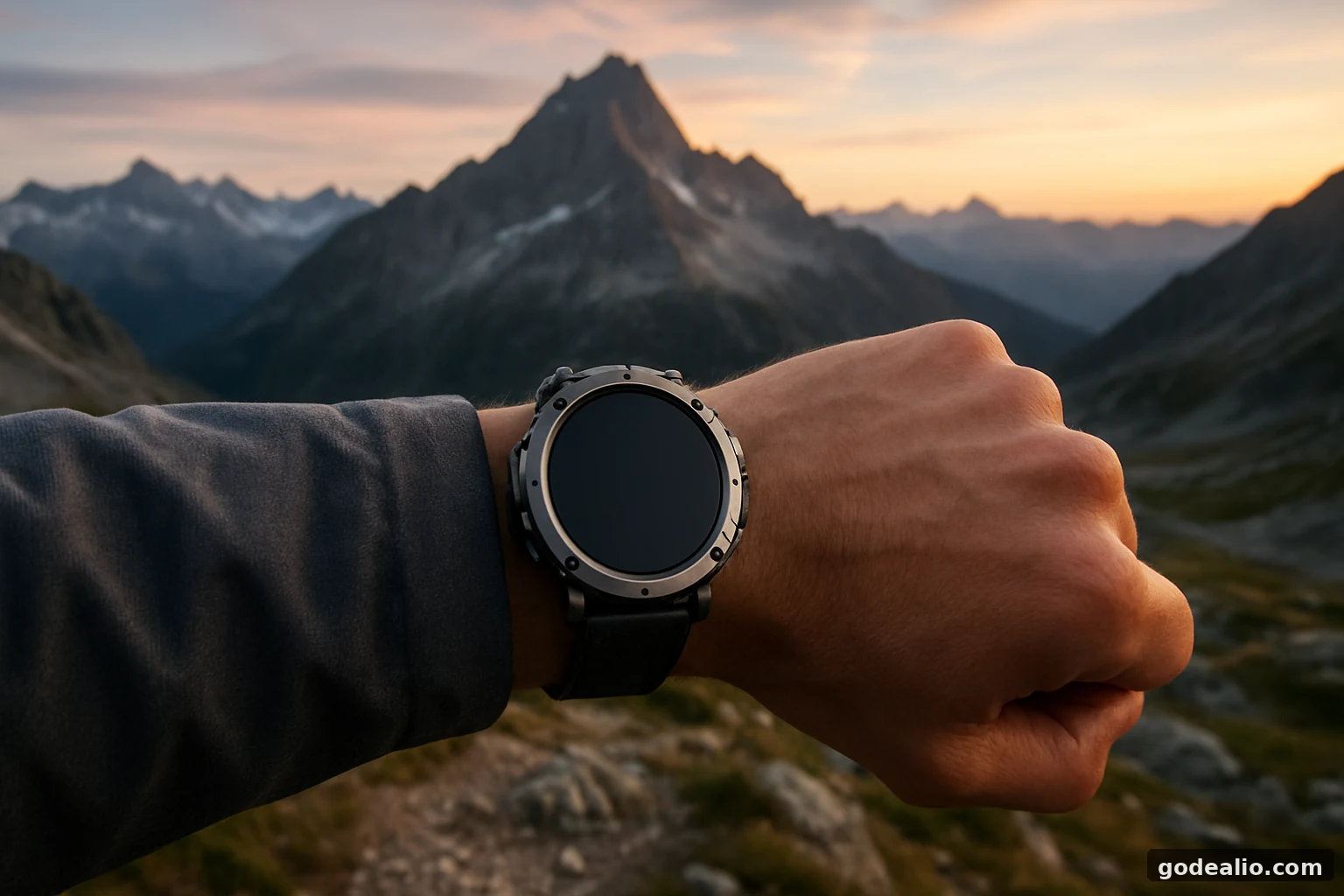
A fresh review of the Garmin Fenix 9 Pro highlights a titanium redesign, a brighter AMOLED display, faster maps and new training tools. For Indian buyers, the big question remains local availability and price, which are not confirmed in the evidence.
Brand
Garmin
Model
Fenix 9 Pro
Content Type
news
Launch Status
unknown
Availability
International pricing and size options are reported; India availability is not confirmed in the evidence.
Key News
Label
Design update
Value
The Fenix 9 Pro is described as slimmer, lighter and more premium thanks to a titanium case and bezel.
Verification Status
reported
Label
Display upgrade
Value
The AMOLED screen is rated up to 3,000 nits and is said to improve clarity for stats and maps.
Verification Status
reported
Label
Navigation changes
Value
Faster map loading and a new Perspective orientation are highlighted as practical upgrades.
Verification Status
reported
Label
Connectivity
Value
LTE-M and inReach satellite support are part of selected variants, with subscription requirements for satellite use.
Verification Status
reported
Specification Highlights
Label
Case material
Value
Titanium case and bezel
Verification Status
confirmed
Label
Display
Value
416 x 416 AMOLED, up to 3,000 nits
Verification Status
confirmed
Label
Size tested in the review
Value
43mm
Verification Status
reported
Label
Battery life
Value
Up to 10 days smartwatch mode; up to 18 hours activity mode; up to 50 hours Max Battery mode on the 43mm model
Verification Status
reported
Label
Connectivity
Value
LTE, satellite, Bluetooth, ANT+ and Wi-Fi
Verification Status
confirmed
Label
Water resistance
Value
10ATM
Verification Status
confirmed
Label
Navigation
Value
Faster map loading with Perspective orientation
Verification Status
reported
Label
Training tools
Value
Stamina Zones, Epic grouping and updated Rucking mode
Verification Status
reported
Confirmed Details
- The Fenix 9 Pro uses a titanium case and bezel.
- A 43mm model is part of the range covered in the evidence.
- The AMOLED display is rated at 416 x 416 pixels and up to 3,000 nits.
- Supported connectivity includes LTE, satellite, Bluetooth, ANT+ and Wi-Fi.
- The watch is rated to 10ATM water resistance.
- The 43mm model is listed with up to 10 days of smartwatch battery life, 18 hours in activity mode and up to 50 hours in Max Battery mode.
Unconfirmed Details
- India launch timing has not been confirmed.
- India pricing has not been confirmed, so any INR estimate would be speculative.
- Whether all LTE and satellite features will be available in India is not confirmed.
- Local subscription, warranty and service details are not confirmed in the evidence.
What happened and why it matters
A new review has put Garmin’s Fenix 9 Pro through trail use in the French Alps and the overall message is clear: the flagship has moved forward rather than merely been refreshed. The watch is described as slimmer, brighter and faster than the previous generation, with a more polished titanium build and a sharper AMOLED display. That makes it more than a cosmetic update for buyers who care about mapping, training data and everyday wearability.
For Indian readers, the immediate takeaway is not a local launch announcement but a clear signal about where Garmin is pushing its premium line. The Fenix family remains aimed at serious runners, trekkers, mountaineers and endurance users rather than casual smartwatch buyers. Since no India price or launch timing is confirmed in the evidence, anyone considering import or a future local purchase should treat this as a high-end global product first and an India shopping decision second.
Key confirmed details from the watch itself
The most concrete details available are hardware-led. The Fenix 9 Pro uses a titanium case and bezel, and the reviewed configuration is a 43mm model. The display is a 416 x 416 AMOLED panel rated up to 3,000 nits, which places brightness among the most notable upgrades in this generation. Garmin also lists GPS support alongside Beidou, Glonass, Galileo and QZSS, plus Bluetooth, ANT+ and Wi-Fi.
The watch is also rated at 10ATM water resistance, which means it is built for real outdoor use rather than desk-wear only. On the connectivity side, LTE and satellite support are part of the story on selected variants. Battery figures in the evidence include up to 10 days in smartwatch mode, 18 hours in activity mode and up to 50 hours in Max Battery mode for the 43mm model, while the larger 51mm version is listed with much longer runtime. Those are the sorts of specifications that matter most to Indian buyers comparing a premium sports watch with a normal smartwatch.
Why the design update stands out
The design changes appear to be one of the biggest reasons the watch is being described as a meaningful upgrade. The titanium build is lighter and more durable than earlier versions, and the nanomoulding process removes the need for visible screws. That gives the watch a cleaner, more premium look. The new 43mm option also makes the watch easier to wear daily than larger, more rugged-looking alternatives in the same family.
This matters because Garmin’s biggest strength has often come with a trade-off: the watches are powerful, but many of them look and feel like specialist tools. The Fenix 9 Pro seems to narrow that gap by being slimmer and less bulky without giving up the outdoor-first identity. The more subdued colour scheme also makes the watch feel more refined, which should appeal to buyers who want a serious training device that does not look out of place in office or travel settings.
The new tools that could help active users
Beyond the design refresh, the watch’s software changes look more useful than cosmetic. Map loading is described as faster, and a new Perspective orientation is intended to make navigation easier, especially when moving through towns, side streets or junction-heavy routes. For hikers, runners and trekkers who rely on on-wrist navigation, that kind of improvement can save time and reduce friction on the move.
Training features also get attention. Garmin’s Stamina readouts now include Stamina Zones, which are designed to help users manage effort more carefully during long activities. There is also a new Epic feature that groups workouts, long treks or adventure blocks so their combined effect can be understood more clearly, plus updates to Rucking mode so pack weight is reflected better. That makes the Fenix 9 Pro more relevant for ultra runners, hikers with heavy loads and expedition users than for buyers who only want step counts and sleep data.
Connectivity is better, but still not simple
The Fenix 9 Pro also leans heavily into connected features. LTE-M support means messages and phone calls can be handled from the wrist when the paired phone is nearby, while LiveTrack and location tracking get practical improvements. Those features are useful both in cities and on remote trails, especially for users who want someone else to be able to follow their route or know where they are during long outings.
Satellite support through inReach remains the standout safety feature. It can be used for emergency response in remote areas and can also be used to message friends and family when offline, but only through Garmin Messenger. The evidence also makes it clear that the connected experience still depends on ecosystem support and subscriptions, which can limit how seamless the feature feels compared with more integrated alternatives. For Indian buyers, that means the headline feature is appealing, but the real-world value will depend on local service support and whether the functions you want are available where you live and travel.
What Indian buyers should know about price and availability
The evidence supports the view that the Fenix 9 Pro sits in Garmin’s highest price tier globally, but it does not confirm an India price. That means there is no reliable rupee figure to quote yet, and any INR estimate would be speculation. The watch also carries an extra cost if satellite features are wanted, because inReach requires a separate subscription on supported models.
For India buyers, that places the Fenix 9 Pro in a narrow category: premium enough for expedition-level use, but likely overkill for someone who mainly wants fitness tracking, notifications and a large battery. If Garmin brings it to India officially, the most likely audience will be runners, hikers, cyclists and outdoor professionals who value map quality, training analytics and safety features more than app-heavy smartwatch functions. Anyone buying from abroad should also factor in warranty, service and subscription practicality before committing.
What this means if you are comparing it with other premium watches
The strongest message from the review is that the Fenix 9 Pro is an evolution, not a reinvention. Buyers coming from much older Fenix models should notice the jump in comfort, display quality and navigation speed much more sharply than existing Fenix 8 owners will. That is important because the Fenix line already sits near the top of Garmin’s capability ladder, so small improvements can matter only to users who really push the watch in the field.
If you are in India and choosing between a premium sports watch and a more mainstream smartwatch, the decision should come down to use case. The Fenix 9 Pro makes the most sense if you need route navigation, detailed training metrics, a bright display outdoors and emergency connectivity. If your daily needs are limited to notifications, basic workouts and sleep tracking, the price and feature depth may be difficult to justify. In that sense, the watch is a niche product done very well, rather than a universal recommendation.
What remains unconfirmed
Several practical questions are still unresolved in the evidence. India launch timing is not confirmed, the rupee price is not confirmed, and it is not clear which sizes or variants would arrive if Garmin launches the watch locally. The same applies to local support for LTE and satellite-related services, which often depend on regional policy, carrier agreements and app-side restrictions.
There is also no reliable evidence on local bundle pricing, India-specific service plans or the final retail mix. Until that changes, Indian buyers should treat any online listings, forward-looking price guesses or market chatter as unverified. The safest approach is to wait for official India details if you want a supported purchase, or to import only after checking subscription compatibility and post-sale support.
Bottom line
The Garmin Fenix 9 Pro looks like a strong upgrade for serious outdoor users, especially because of its slimmer titanium build, brighter AMOLED panel, faster maps and new training tools. It also keeps the connected safety story alive with LTE and inReach support on selected versions. On paper, that makes it one of the most capable flagship sports watches in Garmin’s range.
For Indian buyers, the key issue is not feature depth but whether the watch will be available locally at a price that makes sense. With India pricing and launch timing still unconfirmed, the most practical reading is simple: the Fenix 9 Pro is a premium, specialised watch that improves the formula, but it is only a sensible buy if those premium features are actually useful to you.
FAQs
Will the Garmin Fenix 9 Pro launch in India?
The evidence does not confirm an India launch date. Indian buyers should treat any local availability claim as unverified until Garmin publishes regional details.
Is the Fenix 9 Pro worth upgrading to from a Fenix 8?
For most Fenix 8 owners, the upgrade does not look essential. The biggest gains are slimmer design, brighter display, faster maps and some software improvements, so older-model users are likely to notice the difference more than current Fenix 8 owners.
Does the Fenix 9 Pro need a subscription for satellite features?
Yes, the inReach satellite functions require a separate subscription on supported models. The evidence does not confirm India-specific subscription details, so buyers should check compatibility before relying on those features.