
Samsung Galaxy AI Privacy Guide: On-Device Processing, Cloud AI and Data Controls
Understand what may be processed locally or online and how to reduce unnecessary data sharing.

Understand what may be processed locally or online and how to reduce unnecessary data sharing.
Quick Verdict
Main rule: Verify important AI output before relying on or sharing it.
Best for: privacy-conscious Galaxy users and organisations
Avoid if: You cannot accept limitations such as feature loss when cloud processing is disabled, third-party AI terms, regional policy differences.
Best by Use Case
on-device processing controls
Use this capability for on-device processing controls, then check the result against the original source.
cloud-service awareness
Use this capability for cloud-service awareness, then check the result against the original source.
Samsung account permissions
Use this capability for samsung account permissions, then check the result against the original source.
content credentials
Use this capability for content credentials, then check the result against the original source.
Knox security context
Use this capability for knox security context, then check the result against the original source.
Comparison Advice
- Compare the exact feature on the exact Galaxy model you plan to use.
- Check whether the function is Samsung-provided or relies on a third-party service.
- Compare on-device and cloud-processing requirements.
- Review language, region, carrier and app compatibility.
Mistakes to Avoid
- Ignoring feature loss when cloud processing is disabled.
- Ignoring third-party AI terms.
- Ignoring regional policy differences.
- Ignoring metadata complexity.
- Ignoring policy updates.
- Sharing unverified AI output.
- Using confidential content without reviewing processing terms.
Deal Advice
- Do not buy a Galaxy device for one AI feature alone.
- Confirm the feature is available on the exact model and region.
- Prioritise hardware, update policy, battery, storage and camera quality alongside AI.
- Check whether enhanced or future AI services may use different commercial terms.
What Is Samsung Galaxy AI Privacy Guide?
Samsung Galaxy AI Privacy Guide focuses on privacy and data-control decisions across Galaxy AI features. It is designed for privacy-conscious Galaxy users and organisations.
It combines Samsung software, supported device hardware and, for some functions, external AI or cloud services. Availability can differ by model, region, app and One UI version.
- Core capability: on-device processing controls.
- Core capability: cloud-service awareness.
- Core capability: Samsung account permissions.
- Core capability: content credentials.
- Core capability: Knox security context.
Requirements and Compatibility
Before troubleshooting the feature, update the phone software and relevant Samsung apps. Some functions require a Samsung Account, Google service, internet connection or downloaded language pack.
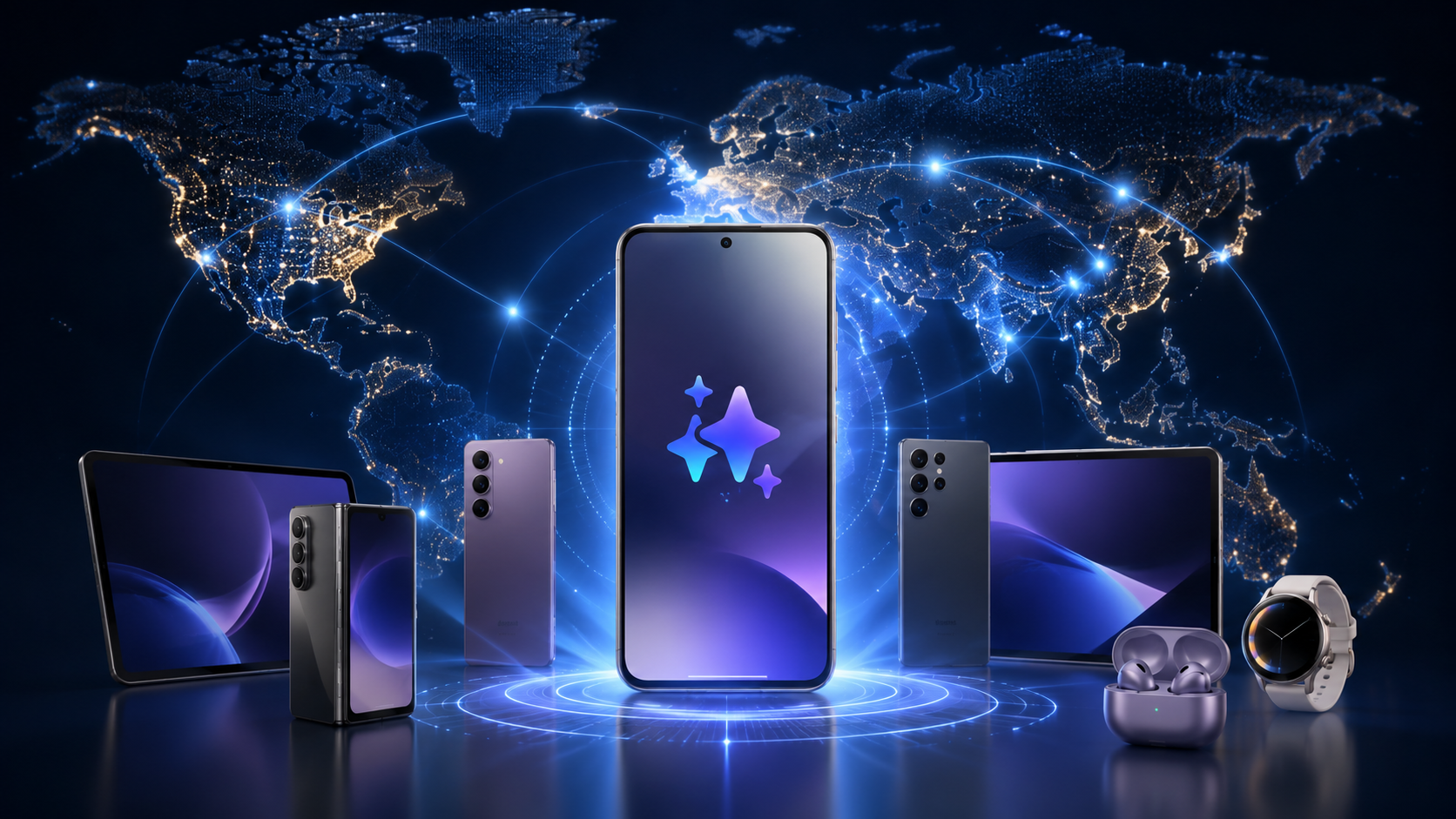
Do not assume every Galaxy AI-compatible device receives every feature. Samsung states that supported features vary by device and rollout timing.
- Install the latest available One UI update.
- Update Samsung apps through Galaxy Store.
- Sign in only when the feature requires an account.
- Check language, country and carrier support.
- Confirm the exact model supports the feature.
How to Set It Up
Open Settings and search for Galaxy AI or the feature name. Enable the relevant service, accept any required terms and configure languages, app permissions or processing options.
The first-use screen inside the relevant Samsung app may also provide the activation switch.
- Open Settings and search for the feature.
- Enable the feature-specific toggle.
- Download required language resources.
- Review permissions and online-processing notices.
- Test with non-sensitive sample content.

Make a Privacy Decision Feature by Feature
Galaxy AI is not one single processing system. Search, translation, writing, image generation and third-party services can have different processing paths and terms.
Review the notice shown by each feature, especially before processing confidential calls, notes, recordings, documents or photographs.
- Prefer on-device processing where available.
- Avoid uploading confidential material unless the service terms are acceptable.
- Review Samsung Account and Google Account permissions separately.
- Recheck settings after major One UI updates.
Best Uses and Practical Benefits
The feature is most valuable when privacy and data-control decisions across Galaxy AI features is a repeated task rather than a one-time novelty.
Use it to create a first draft, translation, summary, search result or edit, then review the result before relying on it.
- Use on-device processing controls when it saves meaningful time.
- Use cloud-service awareness when it saves meaningful time.
- Use Samsung account permissions when it saves meaningful time.
- Use content credentials when it saves meaningful time.
- Use Knox security context when it saves meaningful time.
Accuracy, Limitations and Common Problems
Common limitations include feature loss when cloud processing is disabled, third-party AI terms, regional policy differences, metadata complexity, policy updates. AI output can be fluent or visually convincing while still being wrong.

Names, numbers, technical terminology, accents, noisy audio, complex images and ambiguous context require extra checking.
- Check for feature loss when cloud processing is disabled.
- Check for third-party AI terms.
- Check for regional policy differences.
- Check for metadata complexity.
- Check for policy updates.
Privacy and Responsible Use
Review whether processing happens on the device or online. Avoid entering confidential business data, private health information or sensitive personal content unless you understand the applicable terms.

Translation and recording features may also require consent depending on local law and the context of the conversation.
- Use non-sensitive samples while learning the feature.
- Tell other participants when calls or meetings are translated or recorded.
- Keep original files and text.
- Review Samsung and third-party service notices.
- Disable features you do not use.
Troubleshooting Checklist
If the feature is missing, first confirm model support, software version, app updates, region and account status. Restart the app or device after installing major updates.
For translation and transcription problems, test in a quiet environment and confirm the selected source language.
- Update One UI and Samsung apps.
- Check internet connectivity.
- Verify the selected language.
- Clear the relevant app cache only when necessary.
- Re-download a language pack if it is corrupted.
- Check Samsung support for model-specific restrictions.
Final Verdict
Samsung Galaxy AI Privacy Guide is useful when it reliably improves privacy and data-control decisions across Galaxy AI features. Its value depends more on repeat usefulness and accuracy than on novelty.
Treat Galaxy AI as an assistant: verify important outputs, protect sensitive information and retain the original source.
Frequently Asked Questions
What is Samsung Galaxy AI Privacy Guide?
It is a Galaxy AI capability focused on privacy and data-control decisions across Galaxy AI features.
Which Samsung phones support Samsung Galaxy AI Privacy Guide?
Support varies by Galaxy model, One UI version, country and carrier. Check Samsung's current device-specific support information.
Does it require a Samsung Account?
Some Galaxy AI functions require Samsung Account login, while others may depend on a Google account or third-party service. The requirement varies by feature.
Does it work without internet?
Some parts may work on-device or with downloaded language packs, while generative and other advanced functions may require an internet connection.
Is the AI output always accurate?
No. Review translations, summaries, generated content, names, numbers and technical terms before relying on them.
Can I disable the feature?
Most Samsung-provided AI features have a setting or app-level control. Menu names vary by One UI version and device.
Is Galaxy AI private?
Privacy depends on the feature and processing path. Review whether content is handled on-device, by Samsung services or by a third party.
Why is the feature missing on my phone?
Possible causes include unsupported hardware, an older One UI version, outdated apps, regional limitations, missing account login or an incomplete rollout.
Related Reading on Godealio
More Guide Details
Guide Hubs
- ai-guides
- android-tips
Featured
false